
The Architecture and Culture of Roman Baths: Engineering the Ancient Civitas
The daily hygiene routine of antiquity required massive public infrastructure, vast legions of enslaved workers, complex water networks, and calculated political maneuvering. The Roman Baths stood as the crowning architectural achievement of the empire. These colossal structures offered essential sanitation to the masses. They functioned as the social heart of the city. Citizens of all classes gathered to bathe, negotiate, gossip, and campaign.
The government prioritized the construction of these facilities above nearly all other civic projects. Providing clean water and heated pools kept the urban population content. In this guide, we explore the mechanical brilliance behind the Roman Baths, the chaotic reality of ancient hygiene and the political maneuvering of the bathing ritual.
The Engineering of the Roman Baths
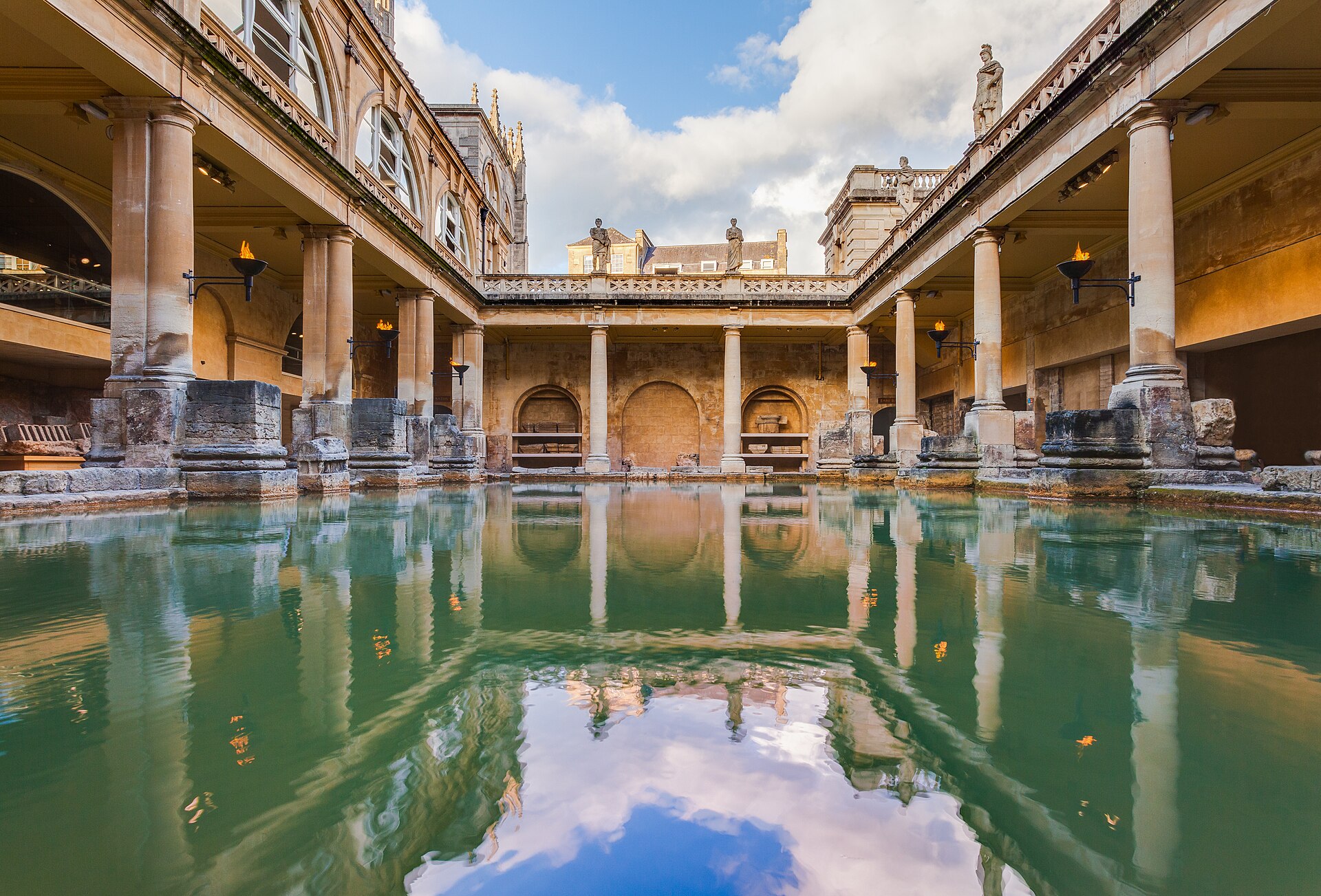
Building the massive bathing complexes required immense capital, thousands of laborers, advanced concrete, and sophisticated plumbing. Politicians funded these structures to buy the favor of the voting public. A candidate offering free admission secured political loyalty instantly, functioning similarly to how the Roman grain dole and public games controlled the capital. The city featured two distinct types of facilities. The smaller, privately owned neighborhood facilities were called balneae. The massive, state-funded imperial complexes were known as thermae. Both facility types relied on brilliant engineering to function.
The Hypocaust System
Heating millions of gallons of water required relentless manual labor and brilliant thermal engineering. Roman engineers developed the hypocaust system to warm the sprawling facilities. They raised the floor of the building on small brick pillars. Enslaved workers fed massive underground furnaces with heavy timber all day and all night.
The hot air flowed beneath the suspended floors and traveled up through hollow terracotta tubes built directly into the walls. This system turned the stone rooms into massive, radiant ovens. The engineers positioned the hottest rooms directly next to the furnaces. They placed the cooler rooms further away to create a naturally declining temperature gradient. The system consumed thousands of tons of wood annually, requiring a massive logistical supply chain.
The Sequential Bathing Ritual
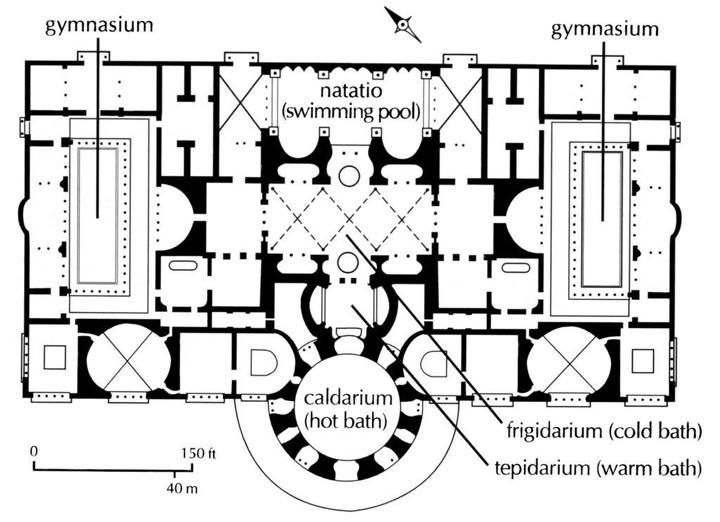
Entering the Roman Baths required following a highly specific, four-step routine. Bathers first entered the apodyterium to strip down and store their garments. Next, they moved into the tepidarium, a mildly heated room designed to acclimate the body to the rising temperature. The third stage involved the caldarium, a heavily heated, steam-filled chamber featuring a large hot-water basin. Finally, bathers plunged into the frigidarium, a freezing cold pool meant to close the pores and invigorate the skin.
Bathers followed this progression every single afternoon. The routine opened the pores, induced heavy sweating, facilitated the cleaning process, and shocked the nervous system. The architectural layout of the thermae physically forced the patrons to walk through the rooms in this exact order.
The Social Heart of the Civitas
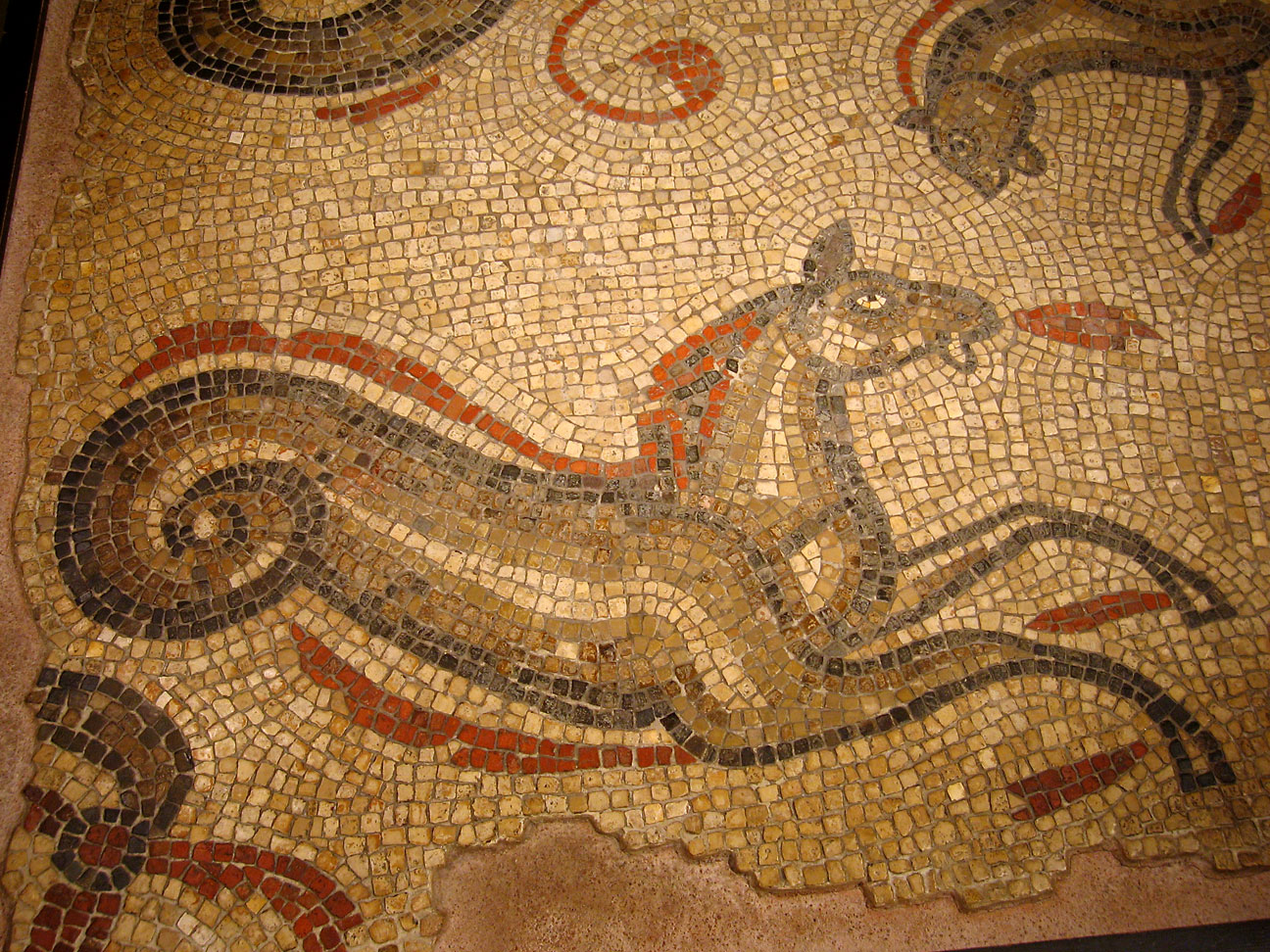
The Roman Baths operated as the true social center of the capital. Patricians left their sprawling private domus to interact with the broader public. Plebeians escaped the cramped, dangerous conditions of their insulae to enjoy aristocratic luxuries for a few hours. The buildings featured marble columns, glass mosaics, bronze statues, and polished stone floors.
Patronage and Political Power
The forum served as the official venue for legal disputes and public voting, but the real political maneuvering happened in the heated pools. Wealthy patrons met with their clients in the caldarium. They formed alliances, arranged marriages, negotiated trade contracts, and plotted against political rivals.
An ambitious politician used this environment to gauge public opinion directly. They listened to the complaints of the plebeians, distributed small bribes, promised future legislation, and secured crucial voting blocs. The physical vulnerability of being unclothed in a public pool stripped away the visual markers of social class temporarily. It created a unique environment where senators and wealthy merchants conversed openly with common bakers and blacksmiths.
A Hub of Commerce and Entertainment
A major bathhouse functioned like a sprawling commercial center, playing a pivotal role in making a living in ancient Rome. Vendors sold hot food, spiced wine, scented oils, and cleaning supplies. Bathers exercised in the open courtyards, known as palaestrae. They lifted heavy weights, wrestled, threw heavy medicine balls, and ran track laps.
The noise inside the building was deafening. Philosophers shouted their lectures over the splashing water, merchants haggled loudly over prices, thieves stole unguarded clothing, and patrons yelled for their attendants. Enslaved workers facilitated every single interaction. The capsarii guarded the changing rooms, the fornacatores stoked the underground fires, the unctores applied the massage oils, and the balneatores managed the general operations.
The Gritty Reality of Ancient Sanitation
Modern expectations of cleanliness do not apply to the ancient world. The Romans did not use chemical soap. To clean their skin, bathers covered themselves entirely in cheap olive oil. A hired attendant or an enslaved worker used a curved metal tool called a strigil to forcefully scrape the body. They scraped away the oil, dead skin, sweat, and dirt.
Water Contamination and Disease
The massive pools rarely drained during the day. Hundreds of people shared the exact same standing water from noon until dusk. Sick individuals routinely visited the Roman Baths hoping the heated water would cure their ailments. Healthy citizens swam directly alongside people suffering from open wounds, skin infections, intestinal parasites, and respiratory diseases.
The physician Celsus actively advised his patients to bathe frequently to cure fevers. This medical advice inadvertently contributed to the massive spread of infectious diseases across the capital. The water in the caldarium became thick with floating oil, human hair, dirt, and bacteria. The concept of germ theory did not exist. Citizens believed the moving water from the aqueducts possessed inherently purifying qualities.
The Environmental Cost of Cleanliness
Running the Roman Baths required stripping entire forests of their timber to feed the hungry hypocaust furnaces. The smoke from the underground fires choked the air of the city and blackened the surrounding buildings.
The runoff water from the massive pools washed directly into the municipal sewers. This heavy flow dragged tons of human waste, scraped oil, chemical runoff, and garbage into the Tiber River. The entire system relied on continuous consumption and constant pollution. The government prioritized the immediate satisfaction of the urban populace over the long-term health of the surrounding ecosystem.
Redefining Ancient Power in Venusia Magna
Historical antiquity restricted major political and economic power exclusively to men. Venusia Magna features a vital, historically grounded lore exception regarding leadership and authority. Within our civitas, women possess the legal right to hold political office, manage municipal infrastructure, command military assets, and govern the city.
Female characters execute high-level political strategies and shape the entire future of our community. This structural rule creates a deeply competitive, highly engaging political arena for all participants. Every roleplayer has the opportunity to rise to the highest levels of influence. You can fund the construction of a new bathhouse to win public favor, dictate the laws of the forum, manage the city treasury, and control the flow of commerce. Leveraging the social dynamics of the Roman Baths provides a direct path to securing immense political capital.
Authentic Roman Roleplay in Second Life
Venusia Magna provides a high-quality environment for adult roleplay within Second Life. We demand brutal honesty, high efficiency, deep immersion, and relentless dedication to historical accuracy. When you enter our city, you participate directly in a living, breathing political machine.
The architecture, the legal framework of the ancient Roman government, the economic systems, and the daily cultural routines deliver unmatched historical realism. The future of your character depends entirely on your intelligence, your alliances, your accumulated wealth, and your calculated ambition. Before stepping into the thermae, craft your identity using our Roman Name Generator. We offer the premier adult destination for those who demand a complex, realistic setting. You can plot your rise to power in the shadows, manipulate the voting blocs in the forum, manage the daily operations of the Roman Baths, or attempt to seize control of the entire civitas.
About the Author and the Venusia Magna Vision
I am Jess X, recognized across our community as Junia. The X-Sisters brand was established in 2023. We set a completely new standard for community building and immersive venues in virtual worlds. Expanding upon that highly successful foundation, Venusia Magna was founded in late 2024.
We dedicate ourselves completely to deep research into classical history. We guarantee our venues deliver an authentic, highly engaging experience. Our leadership team focuses entirely on providing a stable, high-performance sim. Roleplayers can fully explore the complexities, the dangers, the political intrigue, and the incredible status of ancient society here. We do not build standalone video games. We build lasting, deeply detailed communities inside of Second Life.
Enter the Empire
Are you ready to test your strategic brilliance and claim your political status? Join the premier adult Ancient Roman roleplay destination today.
Secure Your Legacy Right Now