
Bread and Circuses: How the Roman Grain Dole and Public Games Controlled the Capital
The ancient city of Rome held over one million inhabitants at the peak of its power. Feeding a population of this incredible magnitude presented a constant, terrifying logistical challenge for the ruling elite. Hunger leads directly to anger. Anger in the crowded streets of the capital always resulted in political instability and violence. To prevent the restless urban populace from revolting, the government implemented a highly calculated strategy of sustenance and distraction.
This system became known historically as the Roman grain dole, officially termed the annona. The ruling class paired this massive food distribution program with lavish, state-funded entertainment. The satirist Juvenal famously summarized this strategy by declaring that the Roman people, who once held supreme political power, now only cared about two things: bread and circuses. In this comprehensive guide, we explore the intricate logistics of the Roman grain dole, the cultural impact of the public games, and how you can engage with these powerful political tools firsthand in Second Life.
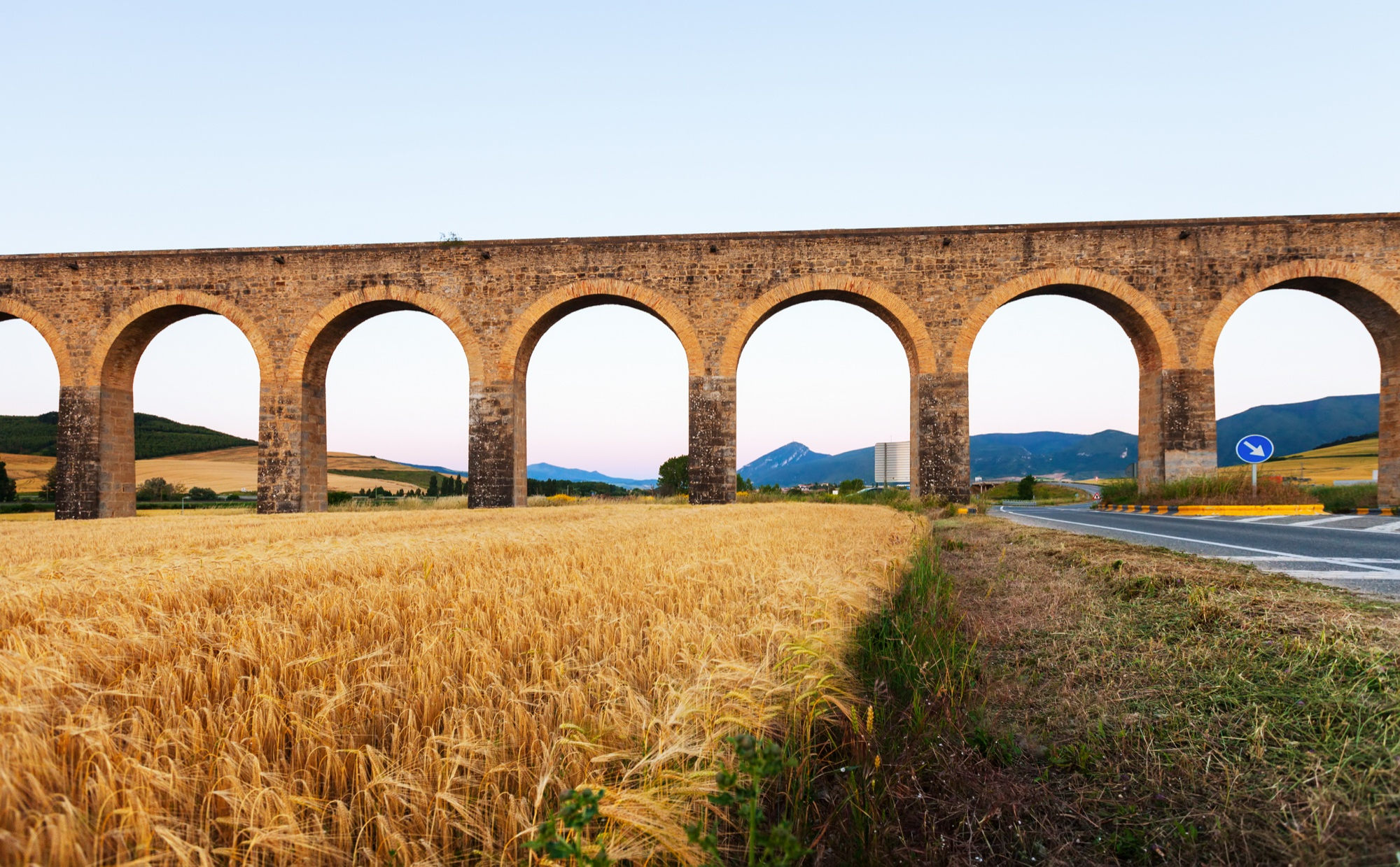
The Annona: Feeding the Imperial Capital
The Roman grain dole served as the absolute backbone of urban survival. It was a massive welfare program that dictated the daily routines of hundreds of thousands of citizens. The distribution of free food was a highly organized bureaucratic machine, intrinsically linked to the larger challenge of making a living in ancient Rome.
The Origins of the Lex Frumentaria
The concept of state-subsidized food began during the Roman Republic. In 123 BC, the populist politician Gaius Gracchus passed the lex Frumentaria. This law mandated that the state sell a fixed monthly ration of grain to citizens at a heavily discounted price. The program proved incredibly popular with the urban poor and incredibly controversial among the patrician elite. Politicians quickly realized the immense power of controlling the food supply.
By 58 BC, the politician Clodius Pulcher abolished the subsidized price entirely. He made the Roman grain dole completely free for eligible male citizens. The number of recipients exploded, straining the treasury. Later leaders, including Julius Caesar and Augustus, placed a hard cap on the number of citizens who could receive the free ration, limiting the list to roughly 200,000 adult men.
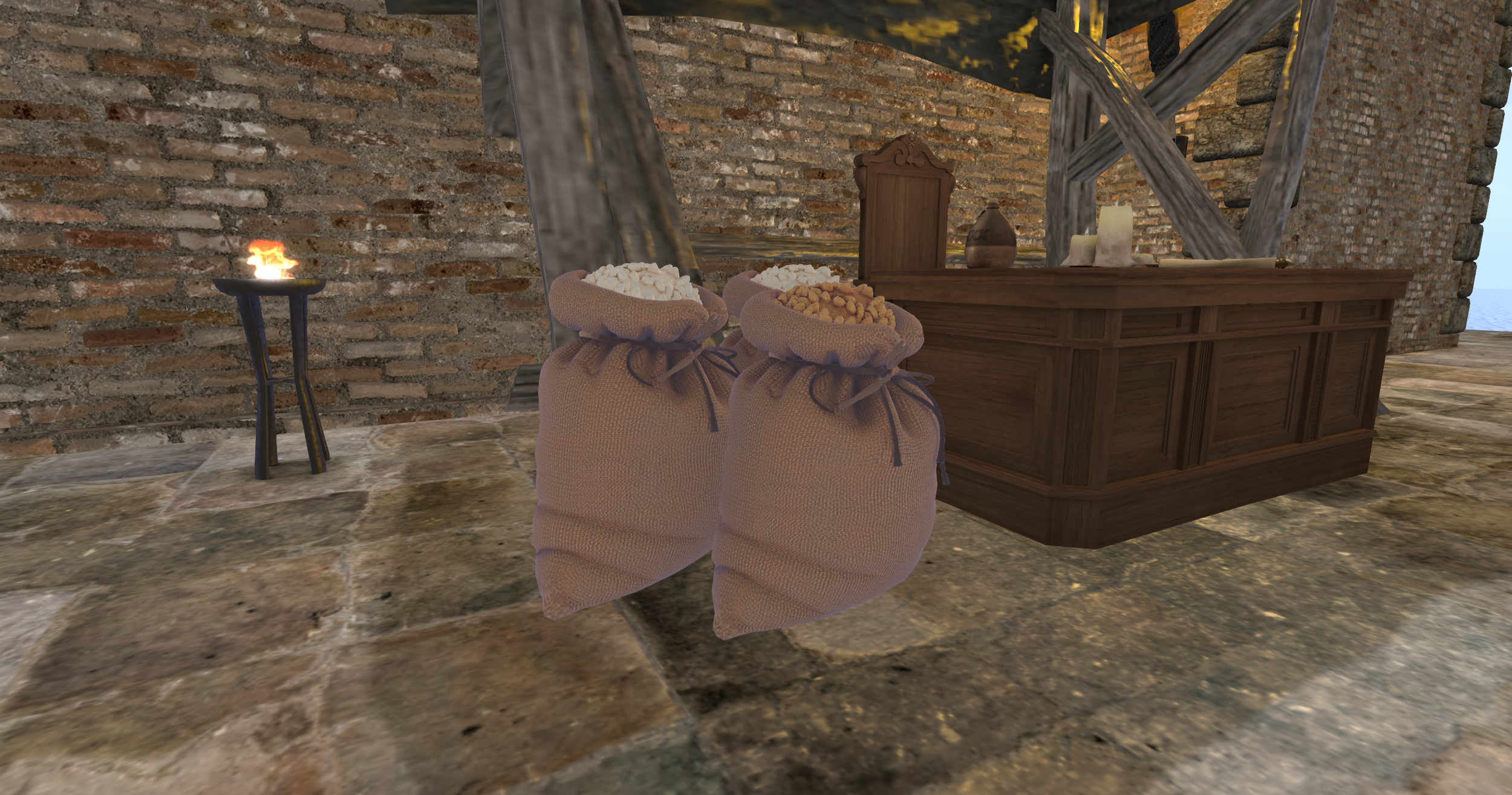
The Logistics of Survival
Providing the Roman grain dole required a supply chain of unprecedented scale. The Italian peninsula could not produce enough wheat to feed the capital. The empire relied heavily on the fertile provinces of Egypt and North Africa. Massive merchant ships, known as naves onerariae, transported millions of bushels of grain across the Mediterranean Sea.
These ships navigated treacherous waters to arrive at the port city of Ostia or the bay of Puteoli. From there, smaller barges transported the cargo up the Tiber River directly into the civitas. An immensely powerful official called the Praefectus Annonae managed this entire operation. The grain was stored in colossal brick warehouses called horrea, located near the riverbanks.
Eligible citizens received a lead token called a tessera. Once a month, they presented this token at designated distribution centers, such as the Porticus Minucia. Each man received approximately five modii of wheat. They carried this raw grain back to their insulae, the crowded apartment blocks of the plebeians, or to a local pistrinum, a commercial bakery. The citizens lacked personal ovens, so they paid a small fee to have the baker turn their Roman grain dole into the coarse bread that formed the foundation of their diet.
Panem et Circenses: The Strategy of Distraction
The government understood that bread alone would not pacify a disenfranchised population forever. They needed a spectacle to capture the public imagination. Politicians and emperors funded the ludi, the massive public games, and the munera, the gladiatorial combat shows.
The Chariot Factions and the Circus Maximus
Chariot racing provided the most popular and frequent form of entertainment in antiquity. The Circus Maximus, a massive U-shaped track located in the valley between the Palatine and Aventine hills, could hold hundreds of thousands of screaming spectators.
The urban populace divided their absolute loyalty among four professional racing factions: the Reds, the Greens, the Blues, and the Whites. Citizens from every level of society gathered in the stands to place bets, hurl insults at opposing factions, and worship their favorite drivers. The noise was deafening. The races were incredibly dangerous, featuring violent crashes and frequent fatalities. These spectacular events kept the minds of the plebeians completely focused on the arena rather than their own poverty or lack of political influence.
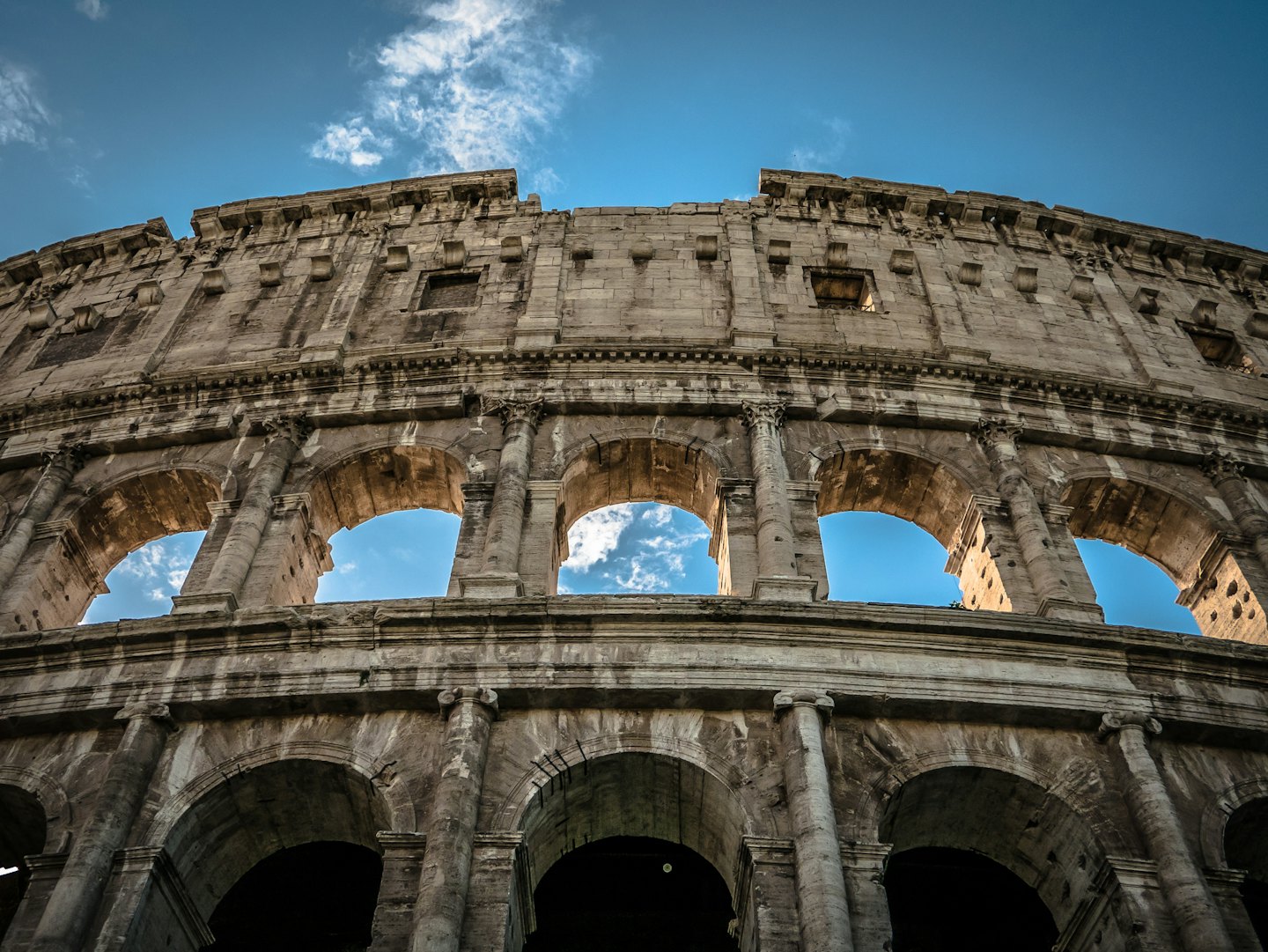
Gladiatorial Combat in the Colosseum
The Colosseum offered bloodier, more visceral distractions. The emperor and wealthy magistrates sponsored elaborate days of slaughter to win the favor of the mob. The morning events typically featured beast hunts, known as venationes. Exotic animals from conquered territories faced execution in the sand, demonstrating the immense reach and power of the empire.
The afternoon brought the main event. Professional gladiators fought to the death. These fighters were enslaved men, prisoners of war, or desperate volunteers seeking fame and fortune. The crowd dictated the fate of the defeated, screaming for mercy or demanding the final, fatal blow. The sheer scale and brutality of the munera reinforced the martial values of the culture and provided an outlet for the aggressive energy of the urban poor.
Political Power, Patronage, and the Domus
Controlling the Roman grain dole and hosting spectacular games generated massive political capital. The forum served as the central stage where ambitious politicians flaunted their generosity and wealth. A candidate for public office who funded a successful gladiatorial match or promised to secure the grain supply virtually guaranteed his election.
This exchange of favors mirrored the daily routines of private patronage, deeply ingrained in the Roman social structure. Wealthy politicians acted as patrons to poorer citizens, who became their clients. Every morning, clients gathered at the domus of their patron for a formal greeting. The patron provided legal protection and sometimes a daily allowance of food or money called the sportula. In return, the clients offered their political support, voting for their patron in the assemblies and forming a highly visible entourage in the forum to project the patron’s status.
Redefining History in Venusia Magna
In historical antiquity, these powerful political offices and patronage networks were controlled exclusively by men. Venusia Magna introduces a specific, highly detailed lore exception to this rule. Within our civitas, women possess the absolute legal right to hold political office and govern the city.
This structural shift creates a highly competitive, dynamic environment for political roleplay. Female characters can fund the public games, manage the distribution of the Roman grain dole, and lead the government with absolute authority. This inclusion opens new avenues for storytelling—whether you are reading the diary of a Roman Slave Trader or campaigning for the Senate—allowing all players to engage deeply with the cutthroat mechanics of ancient politics.
Claim Your Status in Second Life
Venusia Magna provides a high-quality environment for adult roleplay within Second Life. We prioritize brutal honesty, efficiency, and deep historical immersion. When you step into our city, you enter a living, breathing political machine.
The future of your character depends entirely on your ambition and your ability to network. Need an authentic identity to get started? Use our Roman Name Generator to create your persona. You can plot in the shadows of your domus, secure the loyalty of the mob in the forum, or rise to govern the civitas. We offer the premier adult destination for those who demand a complex, realistic setting. Every architectural detail, legal statute, and cultural routine is built to deliver unparalleled realism.
About the Author and the Venusia Magna Vision
I am Jess X, recognized within our community as Junia. The X-Sisters brand was established in 2023, setting a completely new standard for community building and immersive venues in virtual worlds. Expanding upon that successful foundation, Venusia Magna was founded in late 2024.
We dedicate ourselves to deep research into classical history, guaranteeing our venues deliver an authentic, highly engaging experience. Our leadership team focuses relentlessly on providing a stable, high-performance sim where roleplayers can fully explore the complexities, the dangers, and the incredible status of ancient society. We do not build standalone video games. We build lasting, deeply detailed communities inside of Second Life.
Enter the Empire
Are you ready to manipulate the mob, secure the Roman grain dole, and shape the future of the civitas? Join the premier adult Ancient Roman roleplay destination today.
Experience the Power of the Forum
Leave a Reply