The Roman Insula: Inside the Vertical Housing of the Ancient Capital
The massive population of the ancient Roman capital demanded radical architectural solutions. Over one million people crowded into the city center during the height of the empire. The government and private landlords constructed towering apartment blocks to house the massive plebeian class. This vertical housing structure is known as the Roman Insula.
The word itself translates directly to the word island in Latin. These towering buildings dominated the skyline of the civitas, acting as isolated islands of brick surrounded by narrow city streets. They housed everyone from poor laborers to middle-class merchants. In this comprehensive guide, we examine the brutal reality of daily life inside a Roman Insula.
The Architecture of the Roman Insula
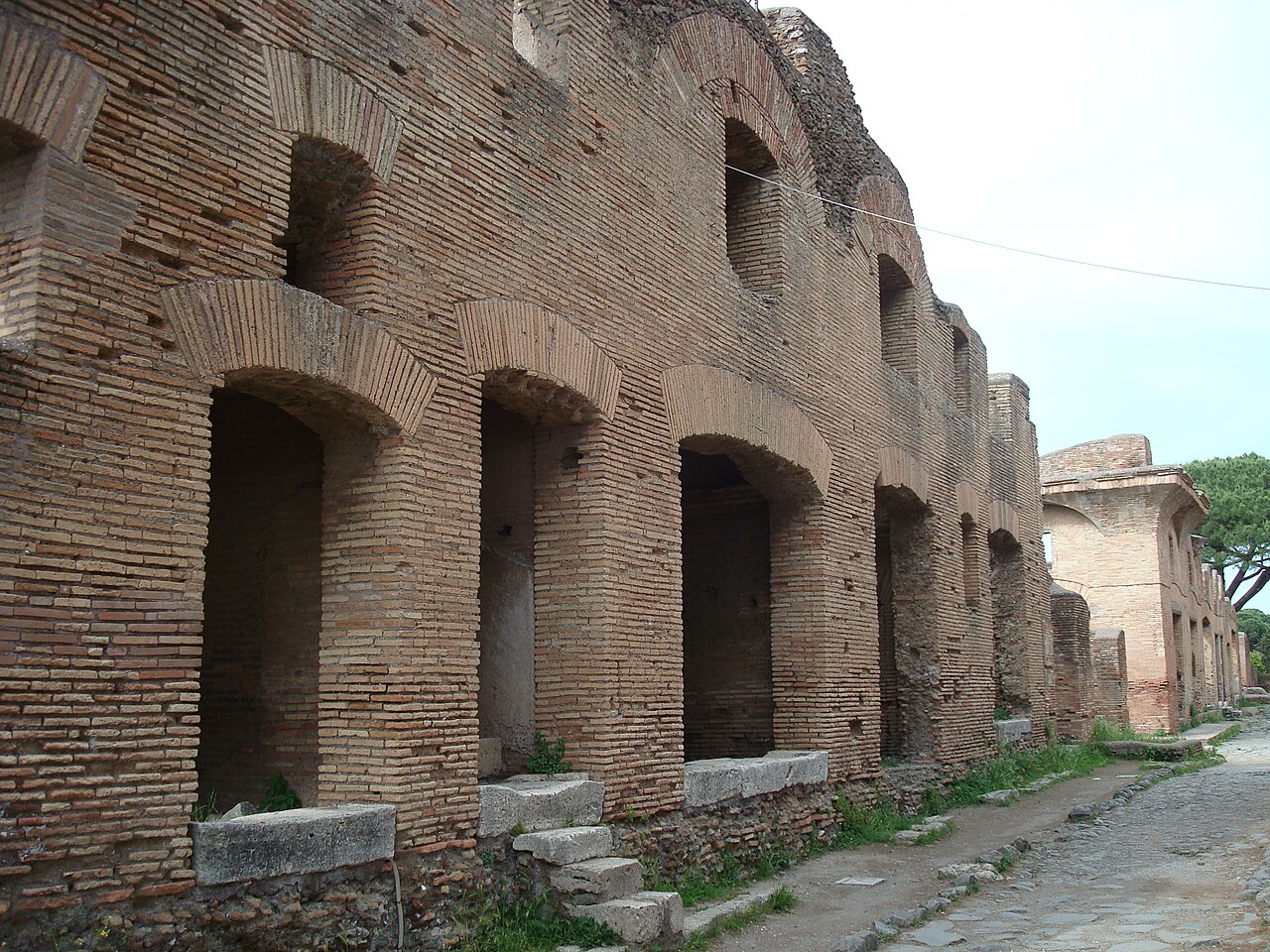
The construction of the Roman Insula relied heavily on brick, concrete, and timber. Landlords sought to maximize their profits by building as high as legally possible. Emperor Augustus capped building heights at 70 Roman feet to prevent catastrophic collapses. Emperor Trajan later reduced this limit to 60 feet. Many landlords ignored these regulations completely. They added illegal wooden structures to the roofs to squeeze in more paying tenants.
The ground floors of these buildings opened directly onto the busy streets. These bottom units typically housed commercial shops known as tabernae. Merchants sold food, pottery, and essential services right on the street level, a vital aspect of making a living in ancient Rome. You would find bakeries, blacksmiths, and small taverns occupying these ground-floor units. The upper floors contained the actual living quarters, called cenacula.
Building Materials and Engineering
Roman engineers utilized a revolutionary material called opus caementicium, or Roman concrete, to build the foundational walls of the Roman Insula. They faced these massive concrete walls with brick or stone. The upper levels relied far more on cheap timber and mud brick. This cost-cutting measure made the buildings incredibly top-heavy.
Patrician families resided in the sprawling, single-story domus. The plebeians occupied the multi-story Roman Insula. A single block could contain dozens of separate apartments and house hundreds of individual residents under one roof.
Street Life and the Tabernae
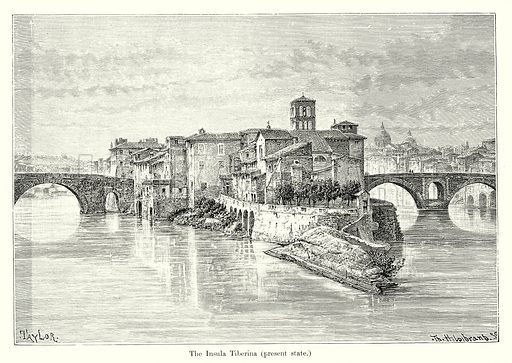
The walls of the Roman Insula often served as public message boards. Citizens painted political slogans, advertisements for gladiatorial games, and personal insults directly onto the brickwork. The streets below these buildings teamed with activity from dawn until dusk. Fast food stalls, known as thermopolia, operated out of the ground floor tabernae. They served hot wine and a simple porridge called puls to the plebeians who had no cooking facilities of their own.
Daily Life and Danger in the Civitas
Life inside the Roman Insula involved constant physical danger. The upper floors lacked running water completely. Residents carried heavy clay jugs of water up multiple flights of dark, narrow stairs every single day. The lack of indoor plumbing meant residents relied on public latrines or personal chamber pots. People frequently emptied their chamber pots directly out the window into the streets below. Walking through the alleys of the capital required constant vigilance.
The Threat of Fire and Collapse
Fire presented the most terrifying threat to the urban population. The upper floors of a Roman Insula consisted primarily of wooden beams and highly flammable materials. Residents used open braziers for cooking and heating during the winter months. A single knocked-over oil lamp could ignite an entire city block in minutes. The historical record is filled with accounts of massive fires sweeping through the plebeian districts.
The government established a specialized firefighting and police force known as the vigiles to combat these frequent blazes. Collapse was another frequent reality. Greedy landlords used substandard building materials and hired cheap labor. Entire blocks sometimes crumbled without warning, crushing the inhabitants beneath tons of rubble. The satirist Juvenal wrote extensively about the sheer terror of living in a building that constantly creaked and groaned under its own weight.
The Economics of Rent and Eviction
Owning a Roman Insula proved to be an incredibly lucrative investment. Wealthy senators and equestrian businessmen purchased entire blocks of apartments. A senator might live in a luxurious domus on the Palatine Hill while simultaneously owning five cramped apartment blocks in the Subura district. They viewed the plebeian class entirely as a source of revenue.
The owners rarely managed the properties themselves. Landlords hired professional property managers, called insularii, to collect rent and deal with the tenants. Rent collection was a ruthless business. The insularii demanded payment on specific days. Tenants who failed to pay faced immediate, violent eviction. The managers would physically throw the tenant and their meager belongings out into the street. The constant influx of immigrants, retired soldiers, and freed slaves into the capital guaranteed that demand for housing always exceeded supply. This economic reality placed immense power directly into the hands of the property owners.
Social Hierarchy Within the Walls
The Roman Insula flipped our modern understanding of penthouse living completely upside down. The lowest floors offered the largest, safest, and most expensive apartments. Wealthy merchants or successful artisans rented these lower units. They enjoyed easy access to the streets, large windows, and a quick escape route during emergencies. Some of these bottom-floor apartments even featured primitive plumbing connected to the city aqueduct system.
Poverty at the Summit
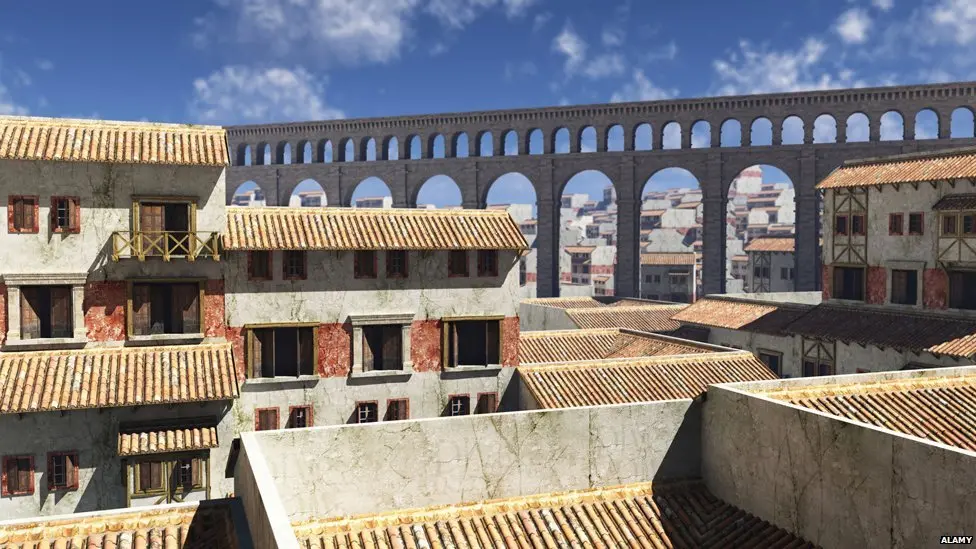
The poorest citizens lived on the highest floors. These top-level apartments were tiny, poorly ventilated, and incredibly dangerous. The summer heat trapped under the roof made the rooms agonizingly hot. The winter winds blew straight through the unglazed windows. If a fire broke out on the lower levels, the residents at the very top had almost no chance of survival. This vertical wealth division perfectly mirrored the rigid Roman social structure of the ancient world.
The Sensory Overload of the City
Privacy simply did not exist inside a Roman Insula. The walls were thin. Residents heard every conversation, argument, and meal preparation of their neighbors. The noise of the city streets echoed up the walls. The poet Martial complained bitterly that the constant noise of carts, vendors, and animals prevented anyone from getting a full night of sleep. The smell of cooking fires, garbage, and unwashed bodies permeated the hallways. Living in these buildings required immense physical and mental resilience.
Venusia Magna: Redefining the Ancient Experience
Authentic historical roleplay demands a deeply accurate environment. Our Second Life community models the grit and glory of antiquity with brutal honesty. We replicate the crowded streets, the busy forum, and the towering residential blocks. Venusia Magna offers a high-quality environment where you can experience the exact political and social dynamics of the ancient capital. Before stepping into the fray, we recommend using our Roman Name Generator to establish your identity.
Female Leadership in the Forum
Historical antiquity restricted political power to men. Venusia Magna features one highly specific lore exception to this historical precedent. Within our civitas, women possess the legal right to hold political office and govern the city. Female characters can own massive residential blocks, collect rent from the plebeians, and dictate the laws of the forum.
This structural change creates highly competitive political roleplay. It allows all players to experience the immense status of high office. You can build a real estate empire, manage a Roman Insula, or consult the diary of a Roman Slave Trader to learn the ruthless economics of the city and use your massive wealth to influence the senate.
Starting your journey in a humble cenaculum provides the perfect motivation for political ambition. You can scheme in the local taverns, form alliances in the public baths, and slowly acquire the wealth needed to secure your own domus. Every building in our city features stunning architectural detail, providing a visceral sense of scale and immersion. The architecture forces interaction, creating natural roleplay encounters in the stairwells and the alleyways. The future of your character depends entirely on your ambition and your ability to navigate the cutthroat world of ancient politics.
About the Author and the Venusia Magna Vision
I am Jess X, recognized within our community as Junia. The X-Sisters brand was established in 2023, setting a completely new standard for community building and immersive venues in virtual worlds. Expanding upon that successful foundation, Venusia Magna was founded in late 2024. We dedicate ourselves to deep research into classical history, guaranteeing our venues deliver an authentic, highly engaging experience.
Our leadership team focuses relentlessly on providing a stable, high-performance sim where roleplayers can fully explore the complexities, the dangers, and the incredible status of ancient society. We do not build standalone video games. We build lasting, deeply detailed communities inside of Second Life. Our dedication to efficiency and historical realism makes us the premier adult destination in this niche.
Enter the Empire
Are you ready to claim your property, navigate the dangerous streets of the civitas, and build your future? Join the premier adult Ancient Roman roleplay destination today.
Secure Your Legacy Right Now
Leave a Reply