
The Complete Guide to the Structure of the Ancient Roman Government
Understanding the Ancient Roman Government requires looking past the marble statues and into the cutthroat reality of the forum. The political system of Rome was a complex engine of ambition, law, and power. It dictated every aspect of the civitas and the private domus. The political machinery of antiquity was built on tradition, wealth, and the constant struggle for public recognition. In this guide, we explore exactly how this massive bureaucracy operated and how you can experience its intricate mechanics firsthand in Second Life.
The Foundations of Roman Political Power
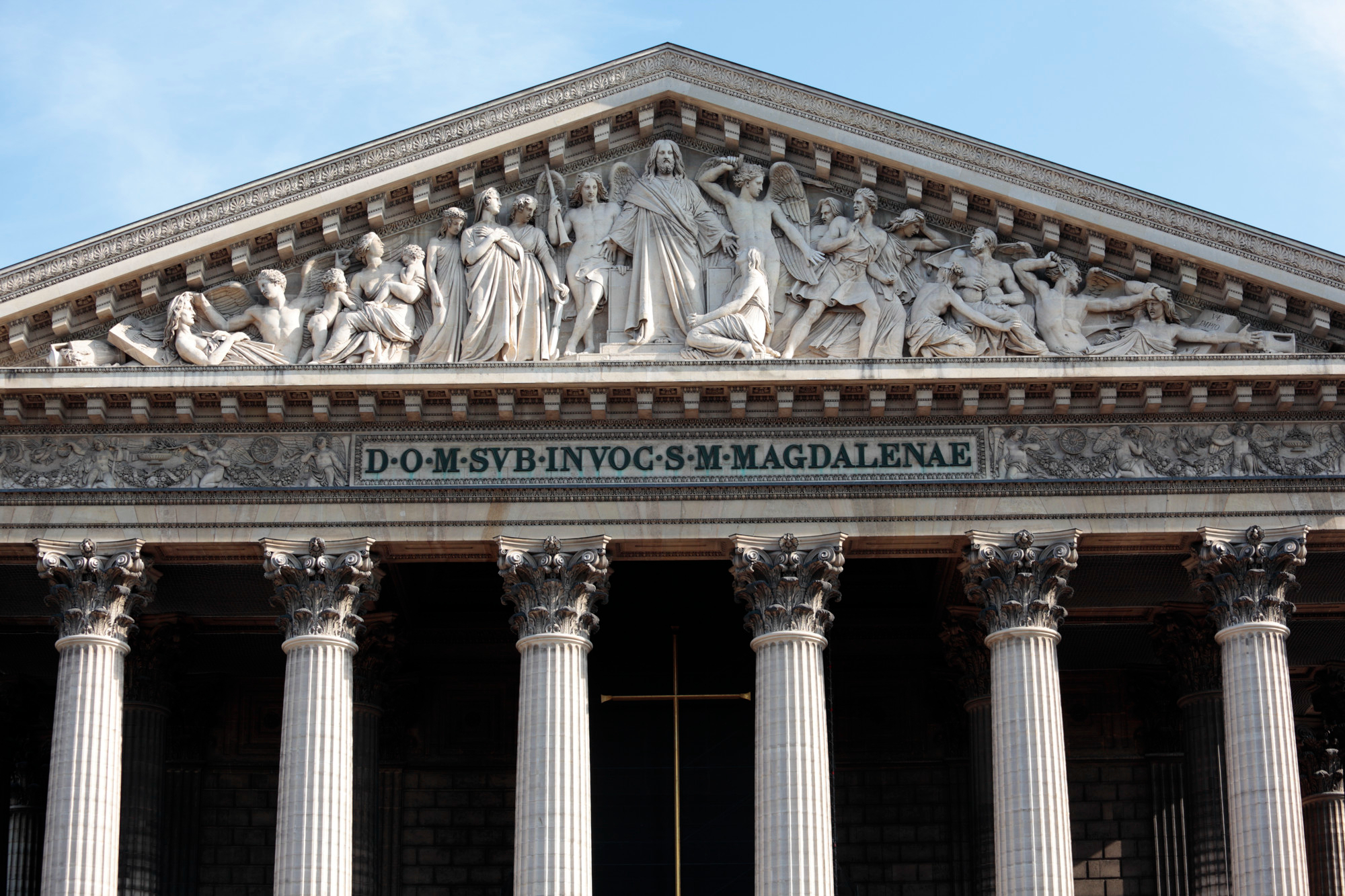
The Ancient Roman Government operated as a republic for nearly five centuries before the rise of the emperors. This system relied on a division of power designed to prevent any single individual from becoming a king. Authority was distributed among elected officials, a powerful advisory board, and citizen assemblies. The balance of power was constantly tested by ambitious generals and wealthy politicians seeking ultimate control.
The Roman Senate
The Roman Senate stood as the ultimate advisory body and the most influential institution in the Ancient Roman Government. Composed of patricians and wealthy plebeians, this group directed foreign policy, managed public lands, and controlled the state treasury. The men who sat in the Senate were seasoned politicians who had already served in high elected offices. They debated laws that would govern the entire Mediterranean basin. A decree from the Senate held immense weight and usually dictated the actions of the elected magistrates.
Patrons and Clients
Politics in Rome extended far beyond official buildings. It was deeply rooted in the daily lives of the citizens through the clientela system. Wealthy politicians acted as patrons to poorer citizens, who became their clients, defining much of the Roman Social Structure. Every morning, clients would gather at the domus of their patron for the salutatio, a formal greeting. The patron would provide legal protection and financial support. In return, the clients offered their political support, voting for their patron in the assemblies and forming a visible entourage to display the patron’s status and influence in the forum.
The Magistrates and the Cursus Honorum
To reach the top of the Ancient Roman Government, a citizen had to climb a specific ladder of elected offices known as the Cursus Honorum. This path of honor dictated the age requirements and the sequential order in which public offices could be held. For those Making a Living in Ancient Rome, navigating these political waters was essential for massive wealth accumulation.
| Office (Magistracy) | Primary Duties & Authority | Status on the Ladder |
|---|---|---|
| Quaestor | Financial administration, auditing the treasury, and paying the military legions. | First Step |
| Aedile | Managing infrastructure, overseeing public works, regulating markets, and organizing games. | Second Step |
| Praetor | Chief judicial officers, presiding over law courts, and commanding armies if necessary. | Third Step |
| Consul | Supreme executive power, commanding large armies, and presiding over the Roman Senate. | Highest Elected Office |
Quaestor and Aedile: The first major step on the political ladder was the office of Quaestor. Quaestors handled the financial administration of Rome and its provinces. After serving as a Quaestor, an ambitious politician might run for Aedile. Aediles managed the infrastructure of the civitas. They oversaw public works, regulated the markets, and organized spectacular public games to win the favor of the voting populace.
Praetor and Consul: Praetors served as the chief judicial officers of Rome. They presided over law courts and possessed the authority to command armies in the absence of the Consuls. The highest elected office in the Ancient Roman Government was the Consul. Two Consuls were elected each year to rule jointly. They held supreme executive power, commanding the largest armies and presiding over the Senate. Serving as a Consul brought immense status to a family for generations.
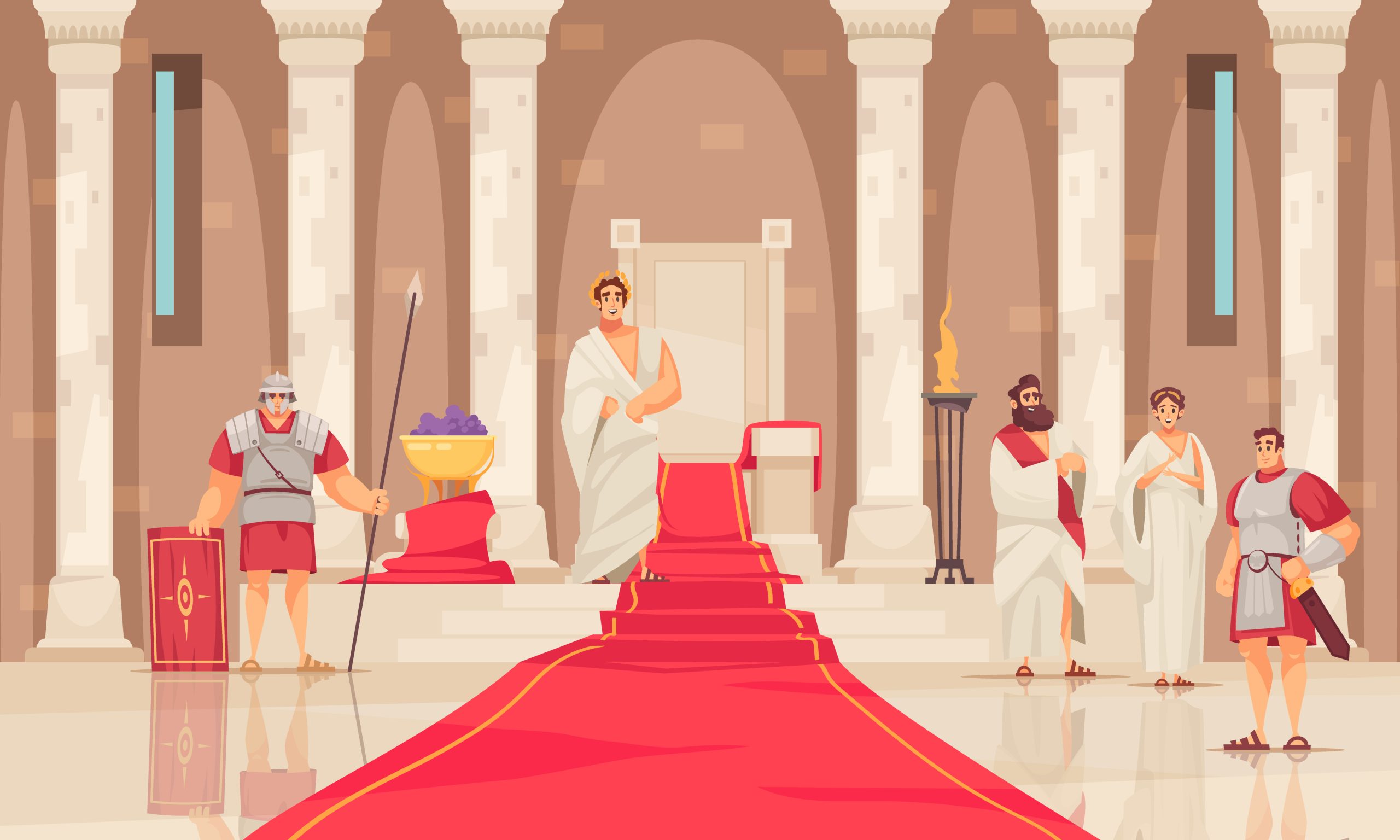
Special Offices: Censors and Dictators. Every five years, two Censors were elected to conduct the census. They registered citizens by wealth, determined voting classes, and oversaw public morals. Censors held the power to expel members from the Senate for corrupt behavior. In times of extreme military crisis, the Republic could appoint a Dictator. This official was granted absolute authority over the state for a maximum period of six months to resolve the emergency.
The Role of the Assemblies and the Tribunes
The forum served as the beating heart of Roman public life. Here, the citizen assemblies gathered to vote on legislation, declare war, and elect the magistrates. It was a world where highborn politicians mingled with regular citizens and the ruthless ambition detailed in the Diary of a Roman Slave Trader was a daily reality.
The Voting Assemblies: The Ancient Roman Government utilized several different assemblies. The Comitia Centuriata organized citizens by wealth and age. This assembly elected the highest magistrates and held the power to declare war. The voting structure heavily favored the wealthy elite, ensuring the patrician class retained control over major decisions. The Comitia Tributa organized citizens by geographic tribes and elected the lower magistrates.
The Tribunes of the Plebs: To protect the rights of the common citizens against the patrician elite, the office of the Tribune of the Plebs was established. Tribunes possessed the power to veto any action taken by a magistrate or any law passed by the Senate. Their bodies were considered sacrosanct, meaning it was a capital offense to harm them. This immense power made the Tribunes central figures in the legislative battles of the Republic.
Rewriting History in Venusia Magna
In historical antiquity, political offices within the Ancient Roman Government were held exclusively by men. Venusia Magna introduces a specific, historically grounded lore exception. Within our civitas, women possess the right to hold political office and govern. This structural change opens new avenues for dynamic, high-stakes roleplay. Female characters can campaign, debate, and lead with the same authority as their male counterparts. This inclusion is carefully balanced to respect the cultural authenticity of our setting.
Experience Authentic Politics in Second Life: Venusia Magna provides a high-quality environment for adult roleplay in Second Life. Our community values brutal honesty, efficiency, and deep immersion. When you step into our forum, you are participating in a living, breathing political machine. The future of your character depends on your ability to network, forge alliances, and outmaneuver rivals. We offer the premier adult destination for those who want to experience the status and danger of Roman politics. The architecture, the legal systems, and the daily routines of our civitas are built to deliver unparalleled historical realism.
About the Author and Venusia Magna: I am Jess X, also known in the community as Junia. The X-Sisters brand was established in 2023, setting a new standard for community building and immersive venues in virtual worlds. Expanding on that foundation, Venusia Magna was founded in late 2024. We dedicate ourselves to deep research into classical history, guaranteeing our venues deliver an authentic, engaging experience. Our leadership team focuses on providing a stable, high-performance sim where roleplayers can fully explore the complexities of ancient society.
Claim Your Place in the Senate
Are you ready to shape the future of the civitas? Join the premier adult Ancient Roman roleplay destination in Second Life and begin your ascent to power.
Discover Venusia Magna
Leave a Reply