The Chains of Empire
The Stages of Roman Slavery in Venusia Magna
Slavery fueled the Roman Empire. In Venusia Magna, we aim to capture the historical weight, psychological depth, and complex social hierarchies of this institution. For players engaging in our Second Life roleplay sim, the life of a slave is rarely static. It is an evolving journey that moves through distinct and challenging stages, starting at the brutal reality of the auction block and ending with the eventual hope of freedom.
Servus Novicius
(The Newly Captured Slave)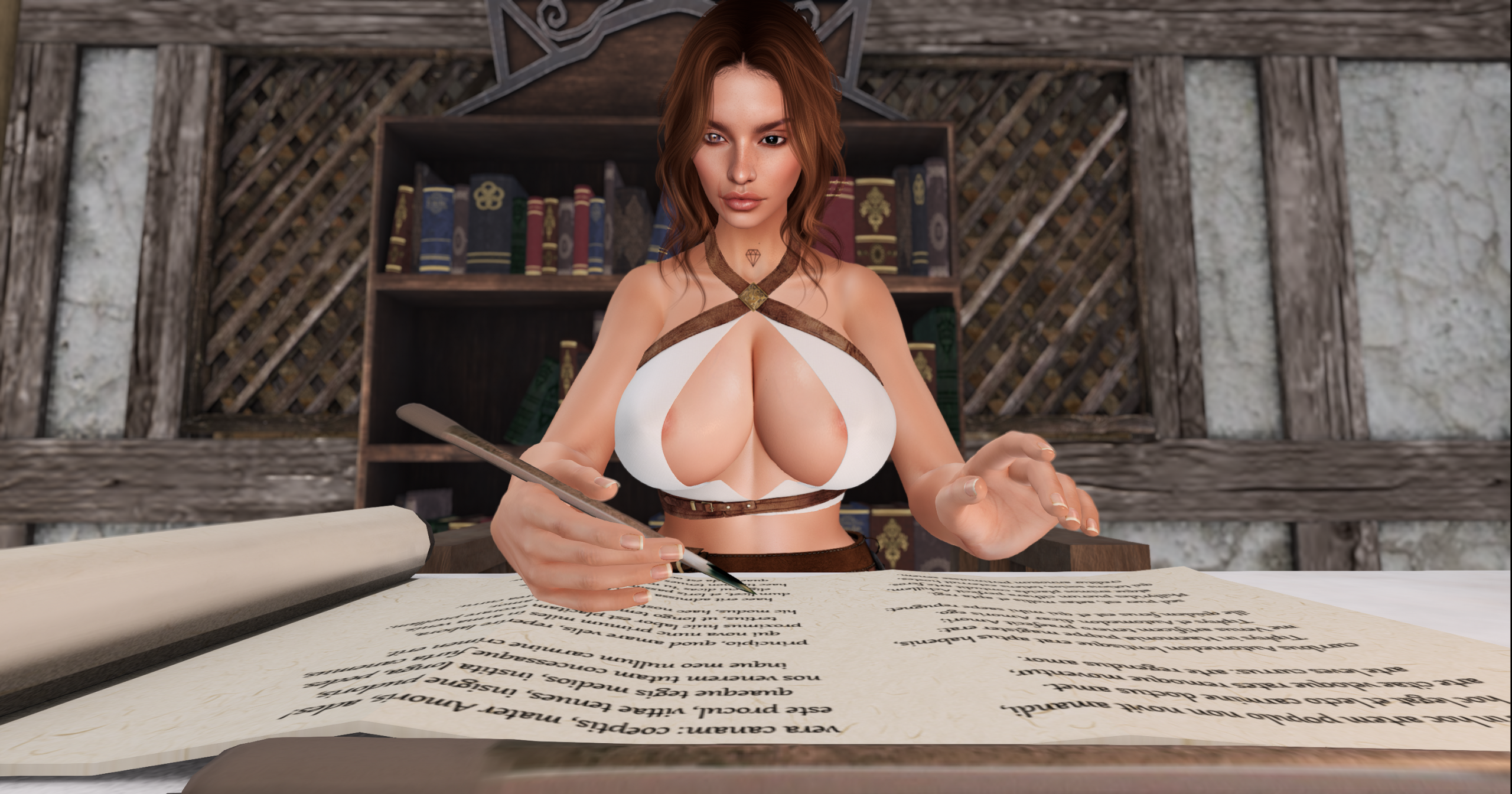
The process begins immediately following capture, debt collection, or conquest. A Servus Novicius is stripped of their former life, titles, and autonomy. This initial stage of servitude is unforgiving. The slave is physically collared, often branded, and subjected to a strict training regimen within the city or the Ludus.
The primary goal of this phase is the breaking process. The captive must be conditioned to understand that their survival is entirely dependent on their obedience. They are taught that resistance is futile and that failure to serve results in severe physical punishment or execution by the Carnifex. It is a period of intense fear and rapid learning, where the slave realizes they are no longer a person under Roman law, but property.
Servus Ordinarius
(The Working Slave)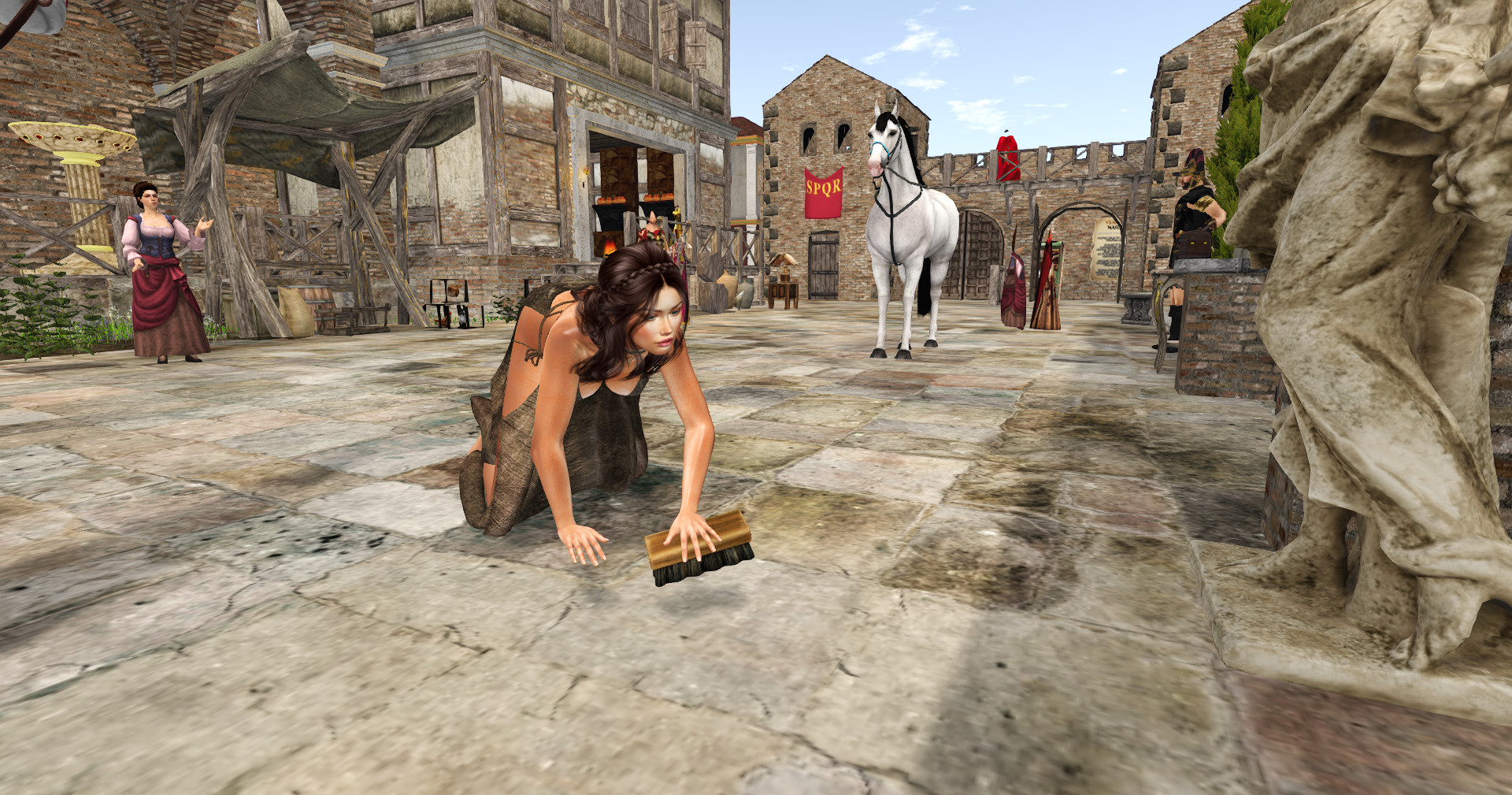
Once a slave has been broken and their initial training is complete, they transition into a Servus Ordinarius. They have accepted their place in the hierarchy, mastering the expected slave positions and protocols, and are now integrated into the daily economic engine of the estate or the city.
During this stage, slaves are assigned specific, structured tasks to complete each day. They might be sent to work the outer farms to fulfill daily harvest quotas, assigned to the estate kitchens to cook meals, or tasked with cleaning their owner’s villa during specific hours. While their training and conditioning continue, their focus shifts from sheer survival to active, productive labor. They are the invisible hands that keep Venusia Magna fed, clean, and functioning.
Servus cum Peculio
(The Slave with Savings / Autonomy)Trust is a rare currency in Rome, but it can be earned. A slave who proves to be exceptionally loyal, skilled, or intelligent may be granted a Peculium. Under Roman law, a slave could not legally own property, but an owner could grant them a fund (the peculium) to manage as if it were their own.
In this stage, the slave is allowed to manage their own financial affairs. They are permitted to earn and keep Denarius, operate businesses on behalf of their owner, and walk the city streets freely without constant supervision. However, this freedom is conditional. Despite their wealth or free movement, they remain utterly bound by the rules of their owner and the laws of the City. The owner can legally revoke the peculium or punish the slave at any moment. Yet, for many, the peculium is the only realistic path toward buying their freedom.
Manumissio
(The Act of Emancipation)The highest goal for many in servitude is Manumissio, the legal process of being released from slavery. This could be achieved by a slave using their accumulated peculium to purchase their freedom, or it could be granted freely by an owner as a reward for years of flawless service.
Upon manumission, the slave becomes a Libertus (Freedman). Their official status in the Venusia Magna registry is updated, and they are granted certain rights as citizens of the Empire. However, a Freedman is still expected to act as a client to their former owner, maintaining a bond of loyalty and obligation that lasts for the rest of their life.
Fugitivus (The Runaway and the Collar)
In modern fiction, the idea of a slave escaping into the night is a common trope. In the historical reality of the Roman Empire, escape was a terrifying, almost insurmountable prospect. The institution of slavery was so deeply entrenched in the culture, economy, and physical landscape of Rome that there was nowhere truly safe to run.
Roman slaves were often forced to wear heavy, riveted metal collars. Archeologists have discovered many of these collars, bearing inscriptions like: “Tene me ne fugiam et revoca me ad dominum meum Viventium” (“Hold me, lest I flee, and return me to my owner Viventius”).
If a slave managed to break their bonds and flee, they were branded a Fugitivus. They had no legal rights, no money, and no safe harbor. Citizens were legally obligated to turn them in, and professional slave-catchers roamed the roads hunting for the bounty on their heads. The punishment for an escaped slave, once returned, was severe. It ranged from branding on the face to crucifixion. Because they wore the visible, inescapable marks of their status, many slaves calculated that enduring servitude was fundamentally safer than attempting an impossible escape.