
To truly learn Roman Roleplay in Second Life, you must understand life in Ancient Rome, the subtle rhythms and rigid Roman customs that governed every hour of a Roman citizen’s day. The way one dressed, ate, and greeted their peers was a constant display of status and loyalty. This guide provides the essential cultural context needed for deep immersion, making sure your character is authentic to the world of Venusia Magna and the broader Roman Empire.
Life in Ancient Rome – The Roman Day: From Salutatio to Cena
The Roman day was structured and dictated by status. While slaves and laborers began their day before dawn, the free citizen’s routine and life in Ancient Rome revolved around politics and patronage.
Morning: The Salutatio (The Morning Greeting)
The day officially began with the Salutatio, the formal morning ritual. Clients (clientes) would gather at the patron’s house to offer their greetings and service. This was a crucial social and political event where the powerful reinforced their status and clients received favors, food, or money. It was a visible display of the patron-client relationship (Clientela) that cemented the hierarchy of the Roman world.
Midday: Forum and Baths
After the morning ritual, a Roman citizen would head to the Forum for business, political talk, or shopping at the Market area. Lunch (prandium) was usually a light, quick meal. The afternoon was often reserved for the public baths (thermae). These bathhouses were not just for hygiene; they were central social hubs for gossip, exercise, and networking, open to nearly all social classes (though usually separate areas or times for men and women).
Watch: The Full Roman Daily Routine Explained
Evening: The Cena (Dinner)
The Cena (dinner) was the main meal and the most important social event of the day. For the wealthy, this was often a lavish, multi-course affair held in the triclinium (dining room), where guests reclined on couches. For the poor, it was a more modest affair, but still the most substantial meal. Feasting and socializing were key elements of life in Ancient Rome.
Roman Dress Code: What Romans Wore
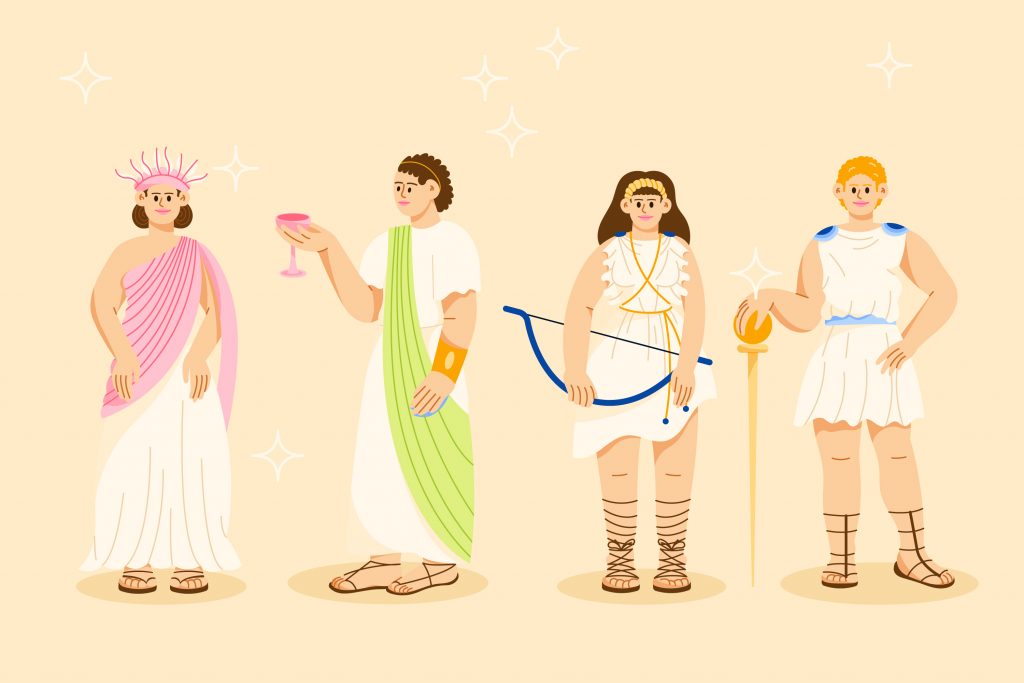
Dress was the clearest indicator of social status, legal standing, and political aspiration. Understanding the difference between a simple tunic and a complex toga is essential for Roman Roleplay authenticity.
The Tunic: Daily and Universal Wear
The Tunic was the fundamental garment for virtually all Romans. Men, women, slaves, and citizens.
- Slaves and Laborers: Wore coarse, dark-colored tunics, often cut shorter for manual work.
- Citizens: Wore white or light-colored tunics, often knee-length. The length and quality of the fabric often indicated wealth.
- Senatorial Class: Distinguished by two broad purple stripes (latus clavus) running vertically down the garment.
The Toga: The Mark of Citizenship
The Toga was the iconic symbol of full Roman citizenship (Civis). It was a heavy, semi-circular woolen garment that was draped elegantly over the body.
- Toga Virilis: The plain, off-white toga worn by adult male citizens.
- Toga Praetexta: Distinguished by a broad purple border, worn by magistrates and by boys before they reached manhood. Non-citizens (non-Cives) were strictly forbidden from wearing the toga.
Women’s Dress
Freeborn Roman women wore the Stola, a long, sleeveless dress worn over a tunic, signifying their marital status and respectability. However, the clothing rules for women of the night were different. The Lupa Romana (Roman courtesan) were often dressed in more elaborate, colorful, and revealing garments to draw attention. (See the Lore Page for details on the Lupa Romana in Venusia Magna).
Language Basics: A Short Latin Glossary for Immersion
Integrating simple Latin phrases into your text-based roleplay instantly increases immersion and authenticity. Learning some basics, give you a better insight into life in Ancient Rome and lower the barrier for high-quality Roleplay in Second Life.
📜 LEXICON IMMERSIONIS: A SHORT LATIN GLOSSARY 📜
| Latin Phrase | Pronunciation | Meaning | Use in Roleplay |
|---|---|---|---|
| Salve (Singular) | Sahl-way | Hello (to one person) | Standard, daily greeting. |
| Vale (Singular) | Vah-lay | Farewell (to one person) | Standard departure phrase. |
| Quid agis? | Kwi-d ah-gees | How are you? | Asking about someone’s status or condition. |
| Ita / Non | Ee-tah / Nohn | Yes / No | Simple, definitive answers. |
| Gratias | Grah-tee-ahs | Thank you | Expressing gratitude. |
| Mihi ignosce | Mee-hee ig-noss-kay | Excuse me / Pardon me | Used for apologies or interrupting. |
Life in Ancient Rome – Commerce and Culture: The Role of the Market
The city’s Market (macellum) was not just a place for buying grain and spices; it was a cultural melting pot where social classes met and clashed. Mercators sold goods ranging from common wool to exotic silks, often using slaves to conduct sales and maintain their prestige during life in Ancient Rome. The marketplace was where you heard the most gossip, conducted the most deceitful deals, and witnessed the social reality of the Roman Empire firsthand. Look for the market areas in Venusia Magna to initiate some of your best roleplay.
To understand the unique cultural role of our Sim’s key players, review the Lore Page detailing the Lupa Romana. Ready to put your knowledge to the test? Teleport to our Second Life Roman Roleplay Sim today!